
Things to Do in Sulawesi: Diving, Wildlife, Culture and Islands
By Sulawesi.com editors8 min read
Diving at Bunaken, Lembeh and Wakatobi, tarsiers at Tangkoko and the tongkonan of Tana Toraja: 21 things to do in Sulawesi, by region and best month.
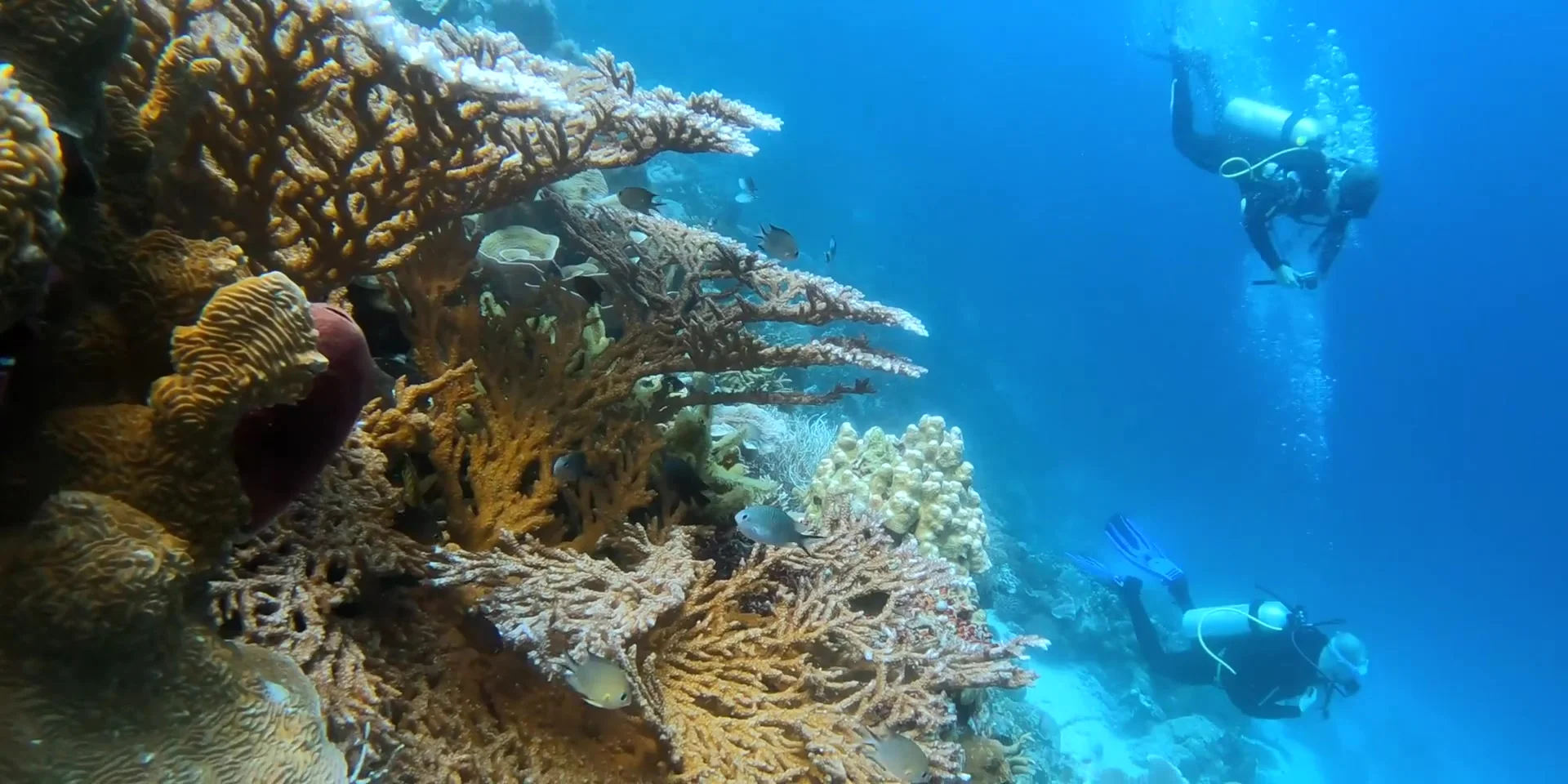
Sulawesi is an island in Indonesia, east of Borneo, with four peninsulas and six provinces. Under water, it has the walls of Bunaken, the black sand of Lembeh Strait and the reefs of Wakatobi and the Togean Islands. On land, it has tarsiers, the maleo, about 100 endemic bird species and the Toraja highlands. A hand stencil on Muna island, at least 67,800 years old, is the oldest dated cave art in the world.
Things to do in Sulawesi by region and month
| Activity | Where | Best months |
|---|---|---|
| Wall diving | Bunaken, North Sulawesi | April to November |
| Muck diving | Lembeh Strait, North Sulawesi | All year |
| Reef diving | Wakatobi, Southeast Sulawesi | October and November |
| Snorkelling | Togean Islands, Central Sulawesi | All year; driest in January and February |
| Tarsiers and macaques | Tangkoko, North Sulawesi | July to September |
| Tongkonan and funerals | Tana Toraja, South Sulawesi | July to October; most funerals in July and August |
| Karst and cave art | Rammang-Rammang, South Sulawesi | July to October |
| Rainforest and megaliths | Lore Lindu, Central Sulawesi | October to February |
| Lake and waterfall | Lake Poso, Central Sulawesi | August |
| Volcano walks | Tomohon, North Sulawesi | August and September |
| Beach and boatyards | Bira, South Sulawesi | August to October |
| Islands and atoll | Selayar and Taka Bonerate, South Sulawesi | September to November |
| Beaches and islands | Likupang, North Sulawesi | March to November |
The months come from the best time to visit guide, and for Lembeh and Likupang from their own guides.
Diving and snorkelling in Sulawesi
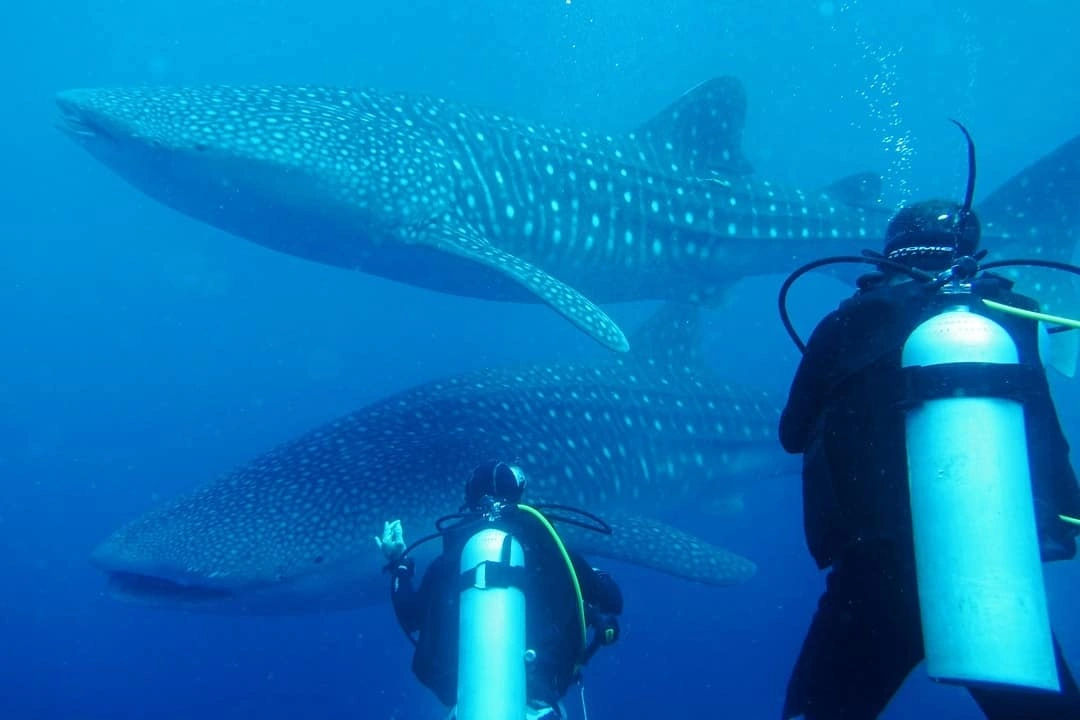
Wall diving at Bunaken. Bunaken Marine Park covers about 89,000 hectares of sea around five islands off Manado. Lekuan I, II and III, walls on the south side of Bunaken, have soft corals, sea fans and a turtle on most dives. Plan at least three days of diving.
Muck diving in Lembeh Strait. Lembeh Strait lies between mainland North Sulawesi and Lembeh Island. Divers search black volcanic sand at 5 to 25 m for small animals such as the mimic octopus and the hairy frogfish. The strait has about 60 named dive sites.
Reef diving in Wakatobi. The name Wakatobi joins the first two letters of its four largest islands: Wangi-Wangi, Kaledupa, Tomia and Binongko. Flights reach Wangi-Wangi from Kendari and Bali, but not from Makassar. Homestays on Hoga and Tomia run two boat dives a day.
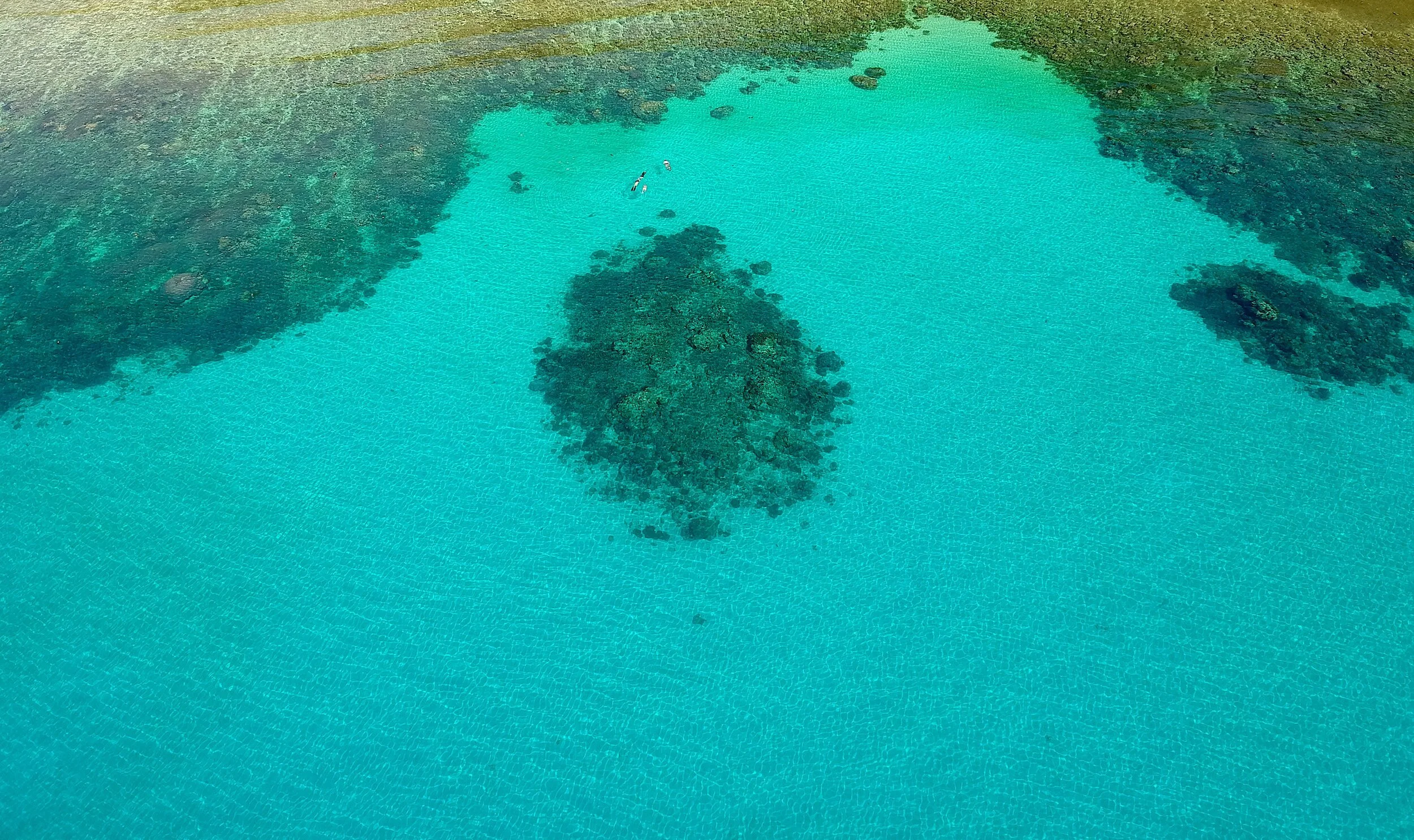
Snorkelling in the Togean Islands. Wakai, the main port of the Togean Islands in the Gulf of Tomini, is about 1.5 hours by public speedboat from Ampana. Fringing reefs, barrier reefs and atolls lie within boat range. There is no ATM on the islands, so bring cash.
Wildlife in Sulawesi: tarsiers, macaques, birds and the maleo
Tarsiers and crested black macaques at Tangkoko. Tangkoko Batuangus Nature Reserve lies about 60 km from Manado. Rangers lead small groups to the fig trees where tarsier families sleep, at dusk and dawn. Flash is not allowed. Morning walks usually meet one of the reserve's two groups of crested black macaques.
Endemic birds of Sulawesi. About 100 of the roughly 380 bird species recorded on Sulawesi live only on the island and its nearby islands. Tangkoko, with its knobbed hornbills, is the easiest birding site to reach. Lore Lindu National Park has the most endemic species.
The maleo at Bakiriang. The critically endangered maleo buries one large egg in warm sand and leaves it. The chick digs itself out and can fly within hours. At Bakiriang, about three hours by road from Luwuk, you watch from a platform set back from the beach, so bring binoculars.
Culture in Sulawesi: Toraja, the Bajau and Makassar
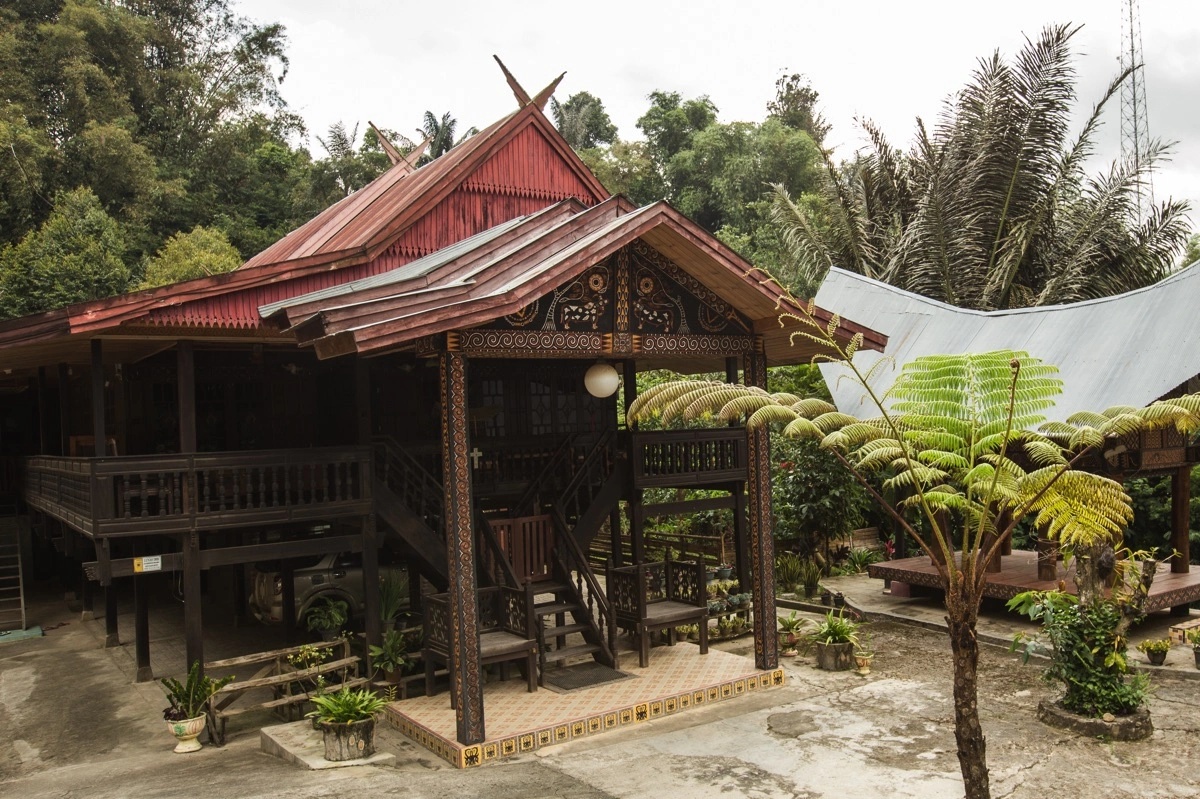
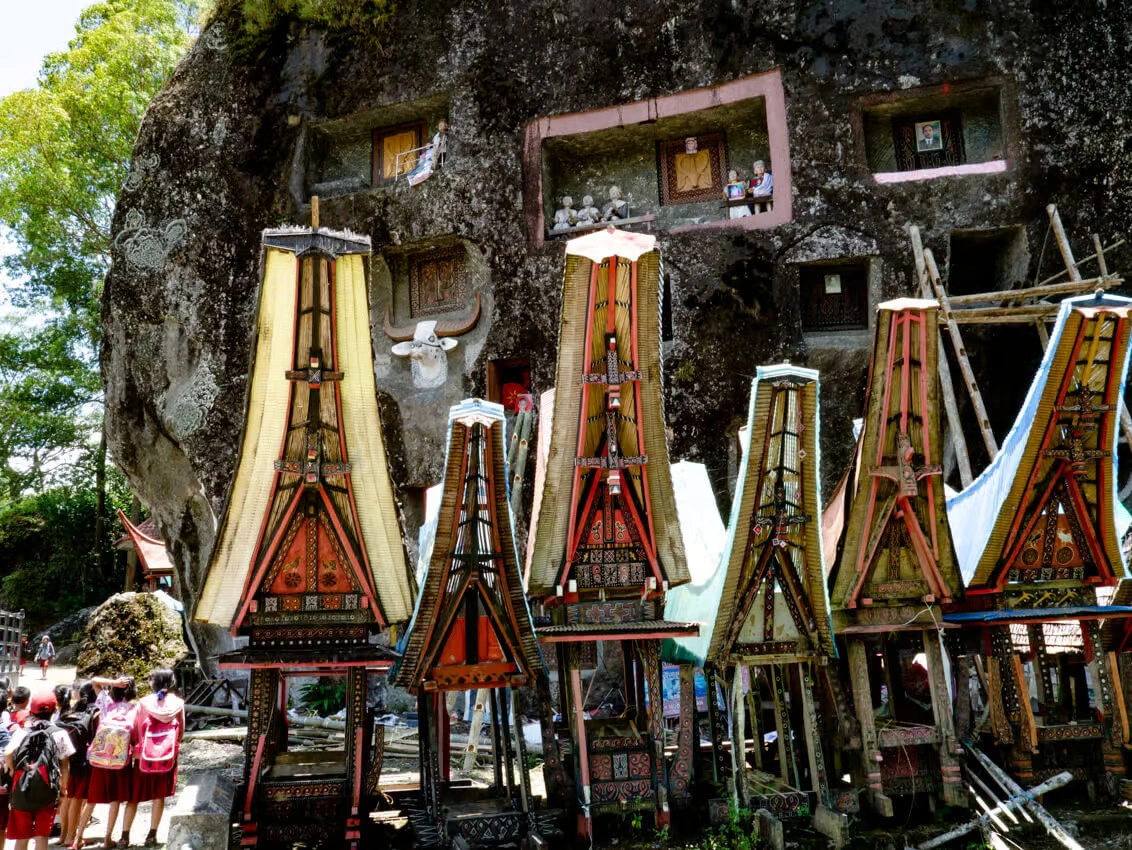
Tongkonan houses and cliff graves in Tana Toraja. Tana Toraja, in the highlands of South Sulawesi, is 8 to 10 hours by road from Makassar. Its tongkonan houses are painted red, black, white and yellow, under roofs that curve up at both ends. A day with a guide covers Kete Kesu and the cliff graves and tau-tau effigies of Londa and Lemo.
A Rambu Solo' funeral in Toraja. Rambu Solo', the Toraja funeral, can last up to seven days, with buffalo sacrifices. Funerals take place all year, most often in July and August. Go with a guide, who introduces you to the family. Bring a small gift, such as a carton of cigarettes, and wear dark clothes. Follow the Toraja photography rules: put the camera down during the slaughter, and never photograph the body.
Bajau stilt villages. The Bajau are often called sea nomads, but most in Sulawesi now live in stilt villages over shallow reef. Visit the Mola villages on Wangi-Wangi, in Wakatobi, or Pulau Papan in the Togean Islands. Go with a local guide, and ask parents before you photograph children.
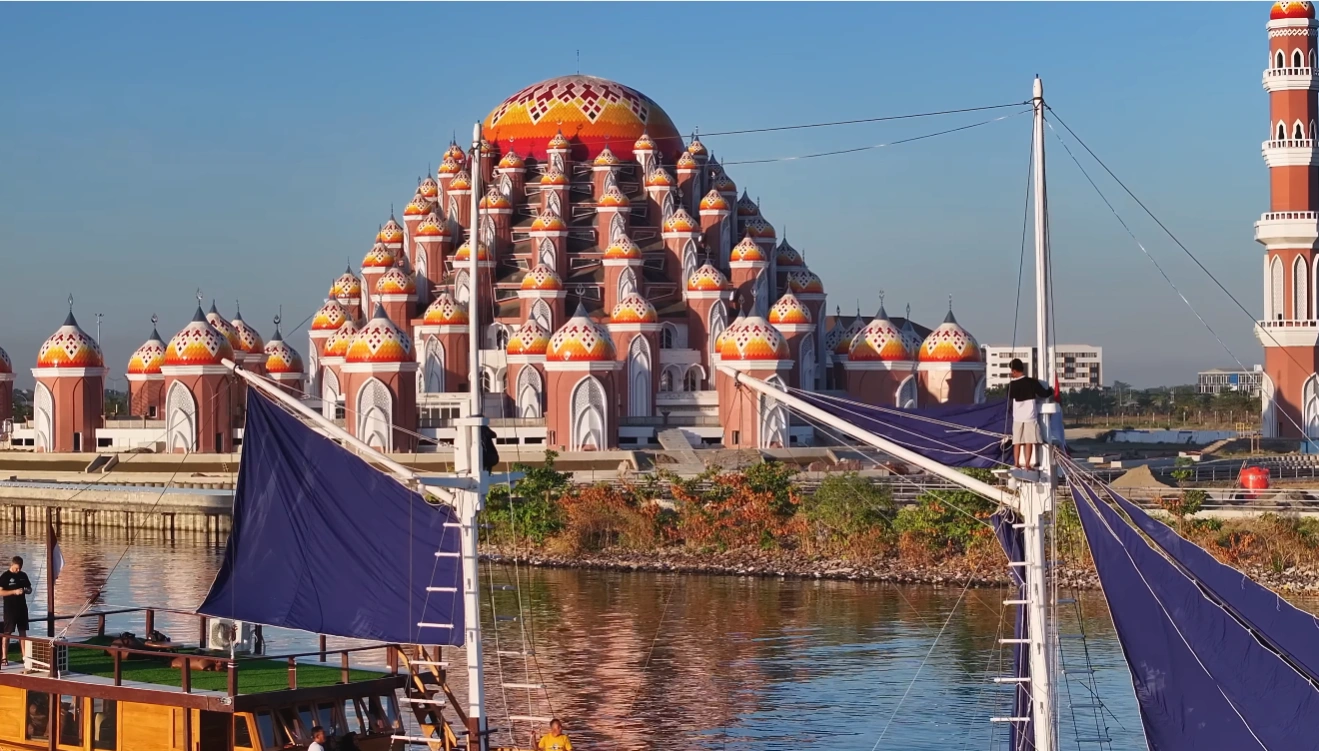
Fort Rotterdam in Makassar and Paotere harbour. Fort Rotterdam, a 17th-century Dutch fort, holds the La Galigo Museum on Bugis and Makassar history: allow two hours. At Paotere harbour, in the north of the city, pinisi schooners and fishing boats unload their catch from about 04:30 to 07:00.
Nature and walks in Sulawesi
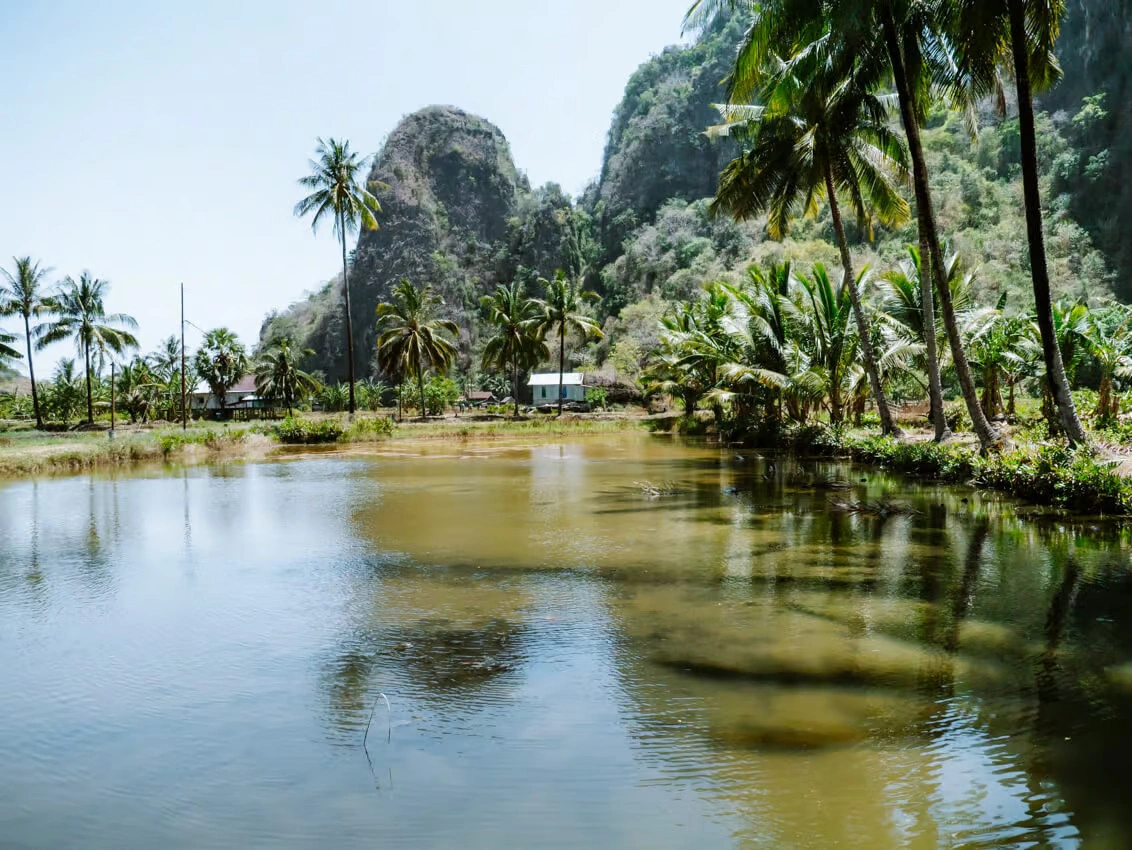
Rammang-Rammang and Bantimurung, in Maros. At Rammang-Rammang, 40 km from Makassar, a wooden boat takes you between limestone towers 100 to 300 m high. The round trip takes 90 minutes. Bantimurung, also in Maros, has a waterfall and about 250 recorded butterfly species. Alfred Russel Wallace called it "the kingdom of butterflies" in 1857.
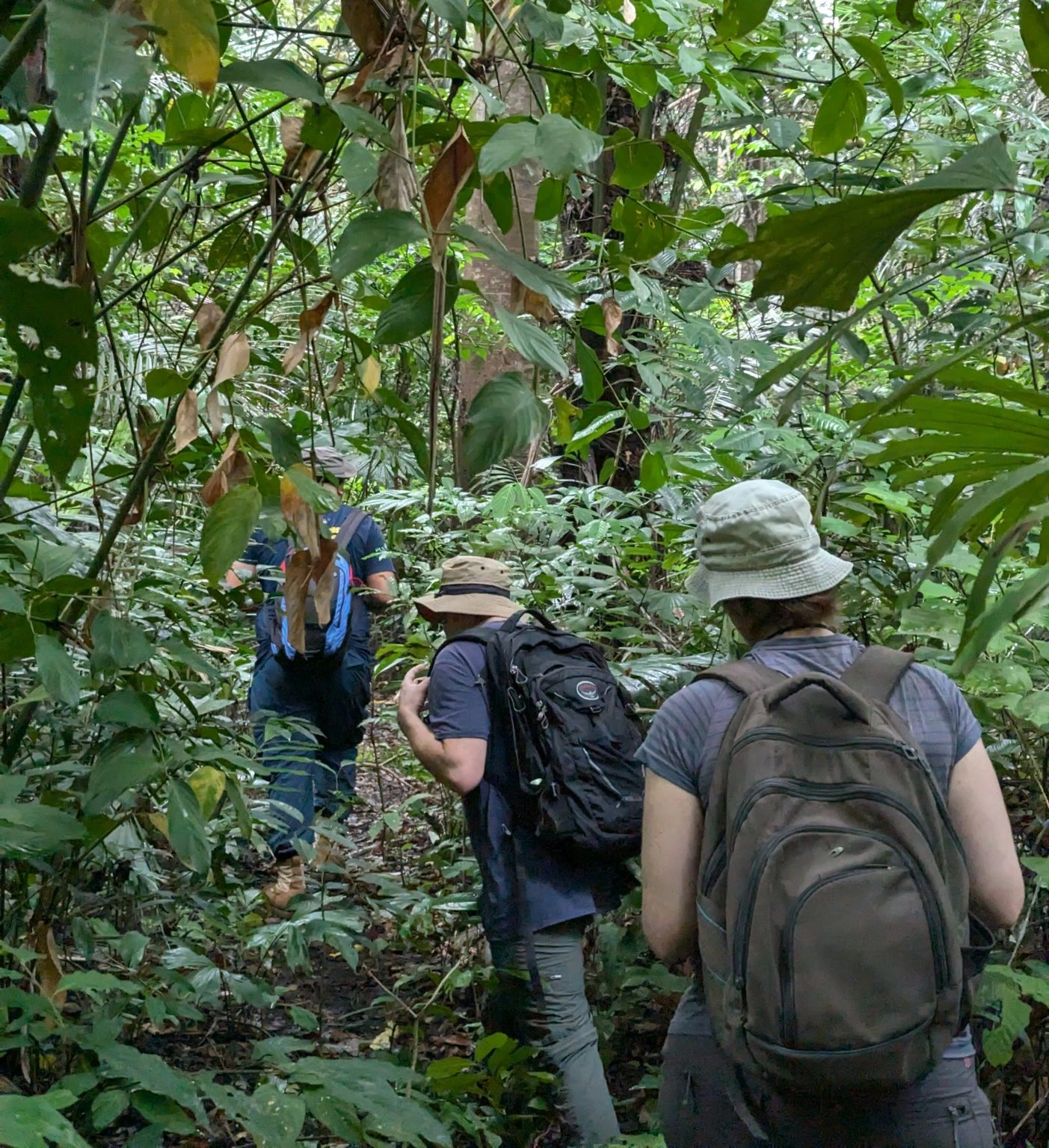
Lore Lindu and the Bada Valley megaliths. Lore Lindu National Park covers 217,000 hectares of rainforest in Central Sulawesi. In its Bada Valley, more than 400 carved stones stand in rice fields and on hillsides, among them Palindo, 4.5 m tall. Go with a 4WD vehicle, a driver and a local guide.
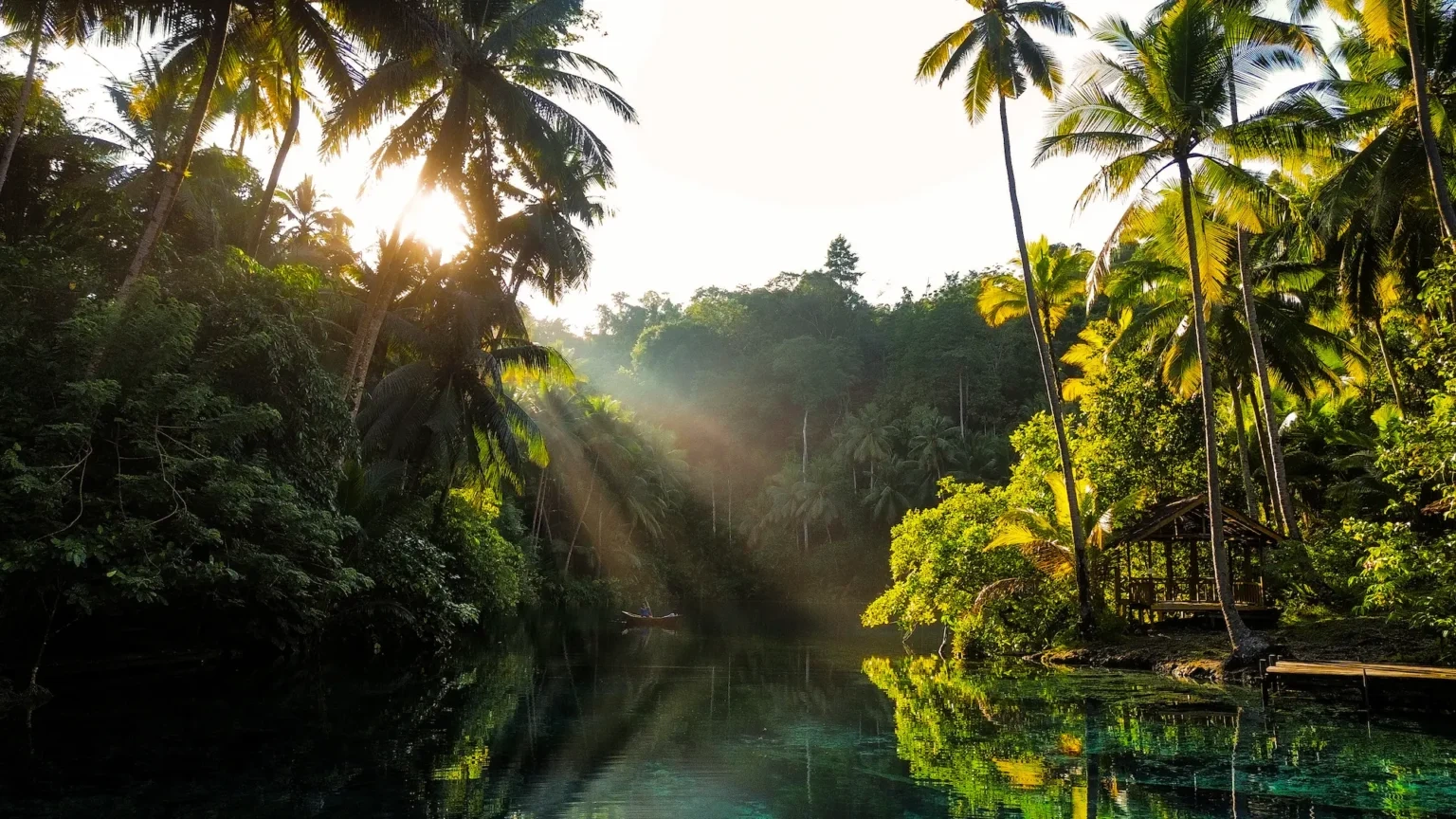
Lake Poso and Tentena. Lake Poso, in Central Sulawesi, is 32 km long and lies about 500 m above sea level. From Tentena, at its northern end, you can swim, take a boat or visit a waterfall 14 km to the west. Tentena holds the Festival Danau Poso, with boat races, in late August or early September.
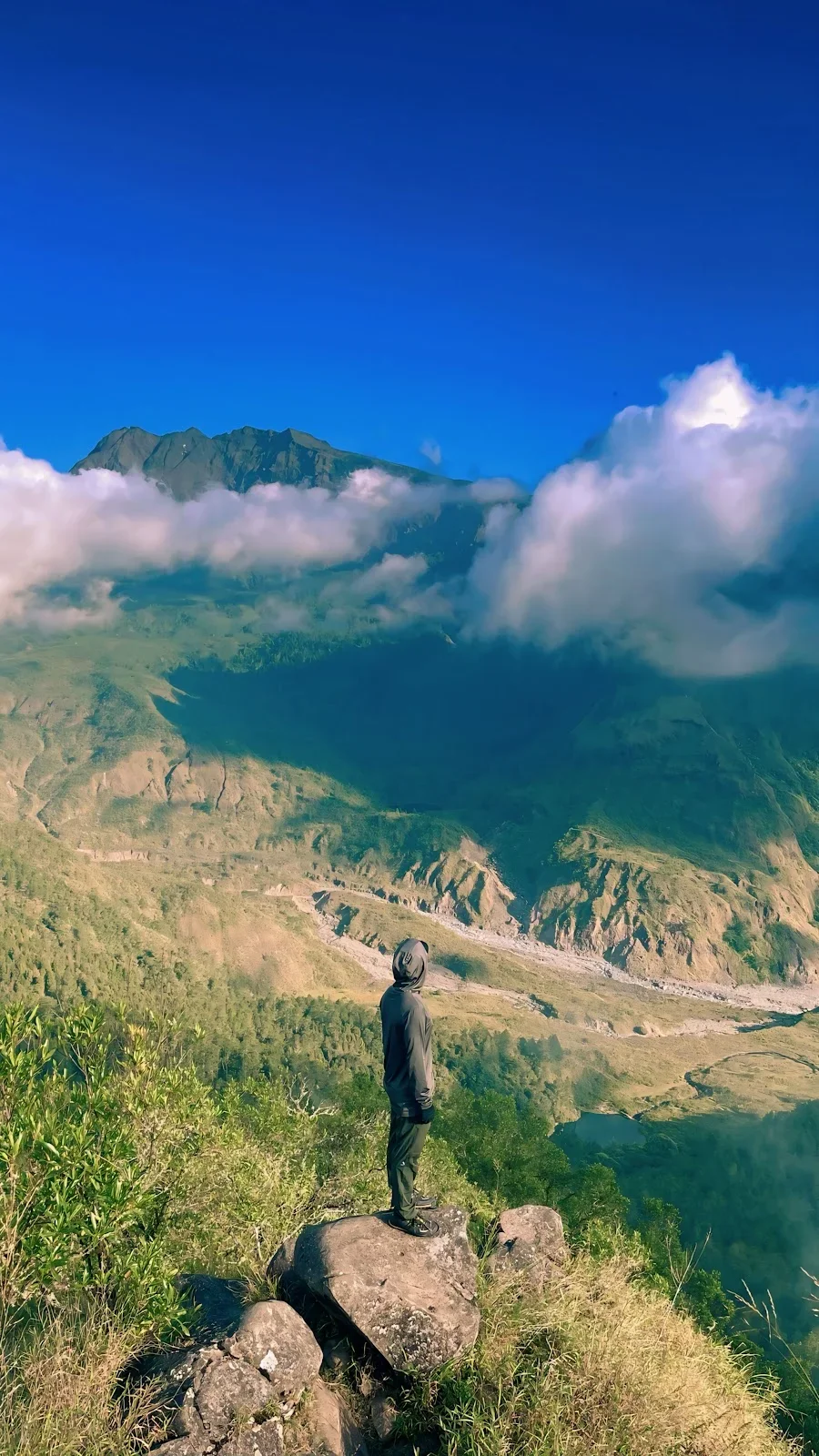
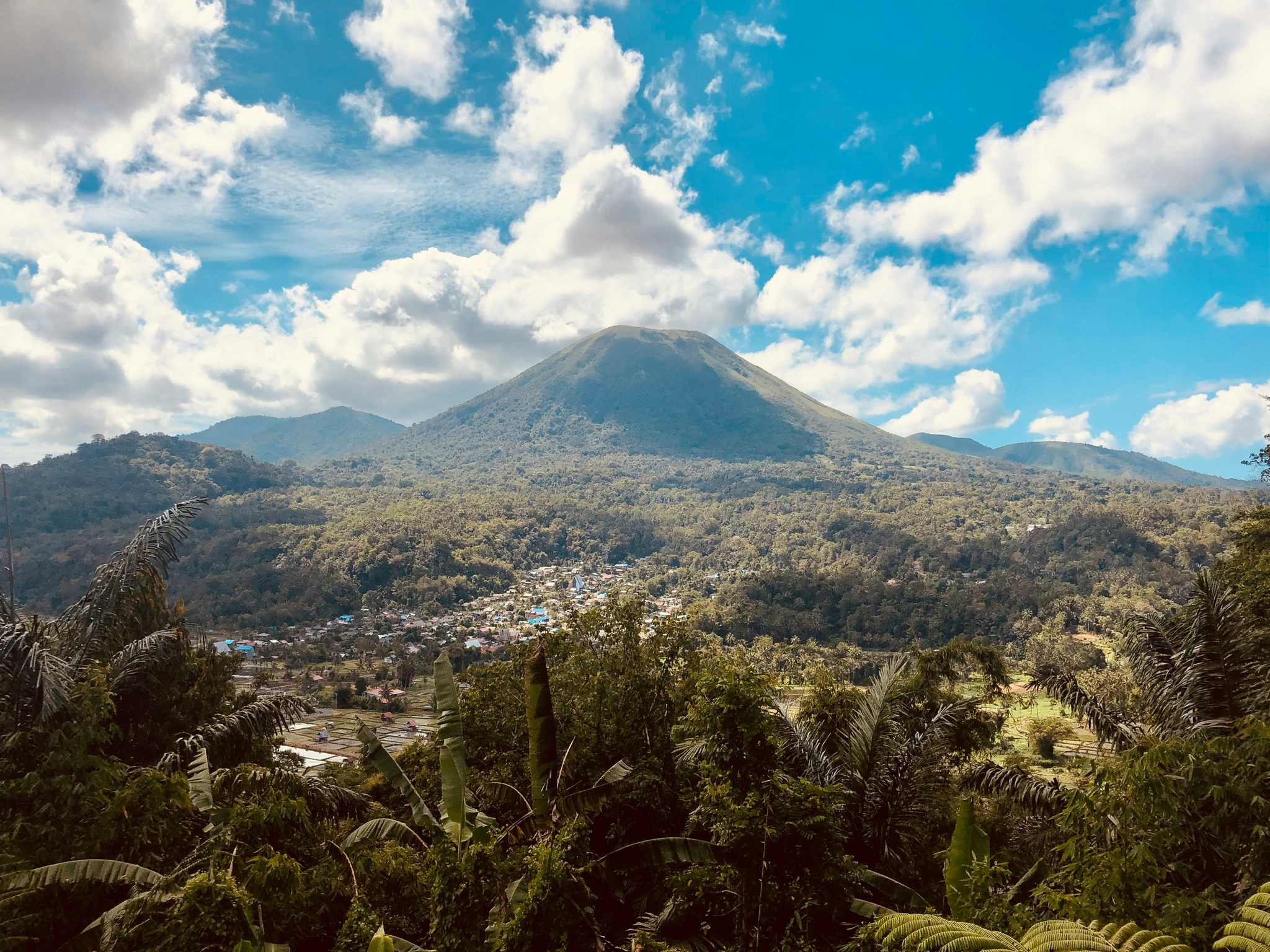
Volcanoes above Tomohon. Mount Mahawu and Mount Lokon rise above Tomohon. Mahawu (1,331 m) is the easiest volcano walk in North Sulawesi, to the rim of a green crater lake. Lokon (1,580 m) is active, so check its alert level on MAGMA Indonesia before any climb.
Islands and beaches in Sulawesi
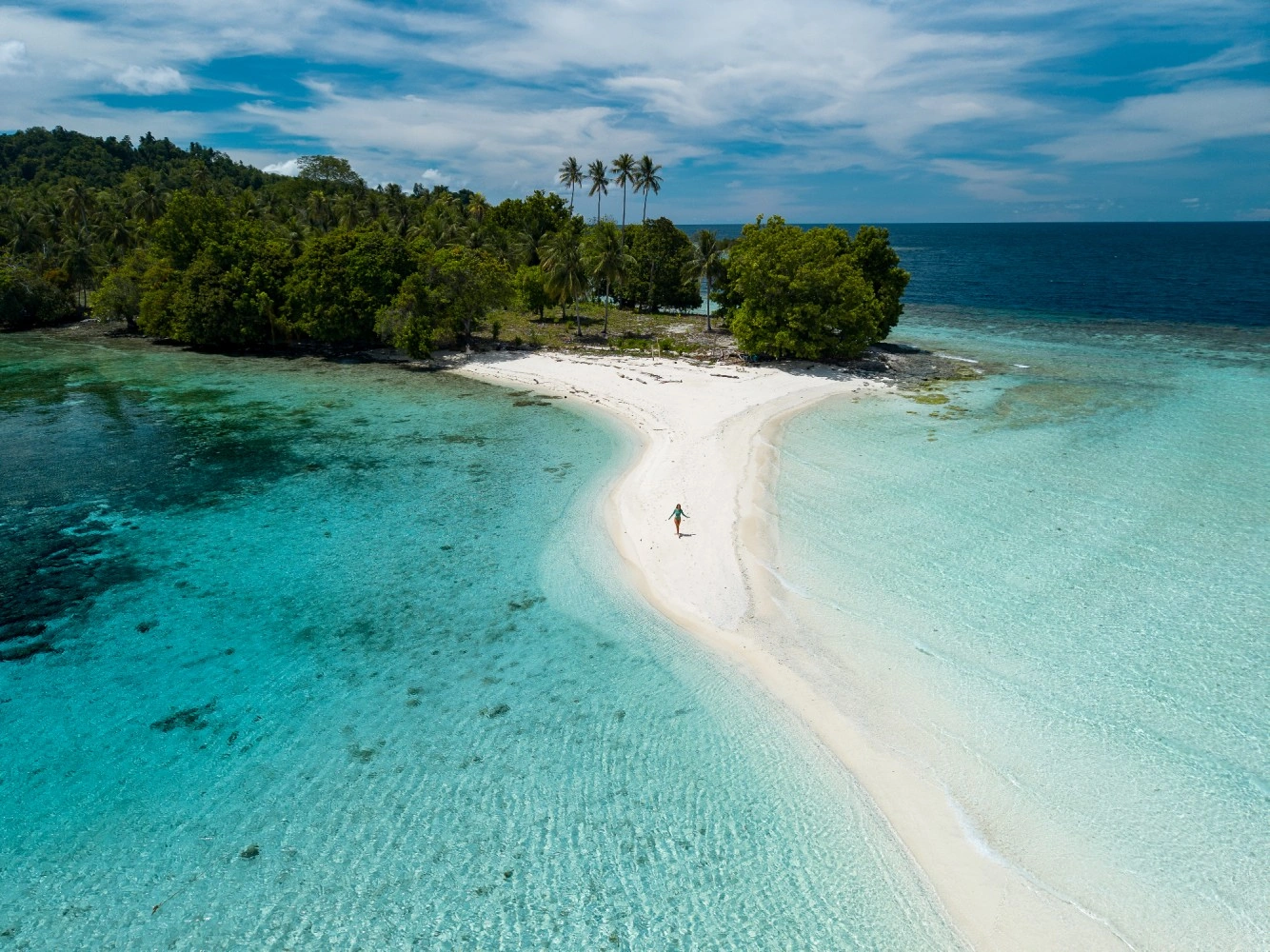
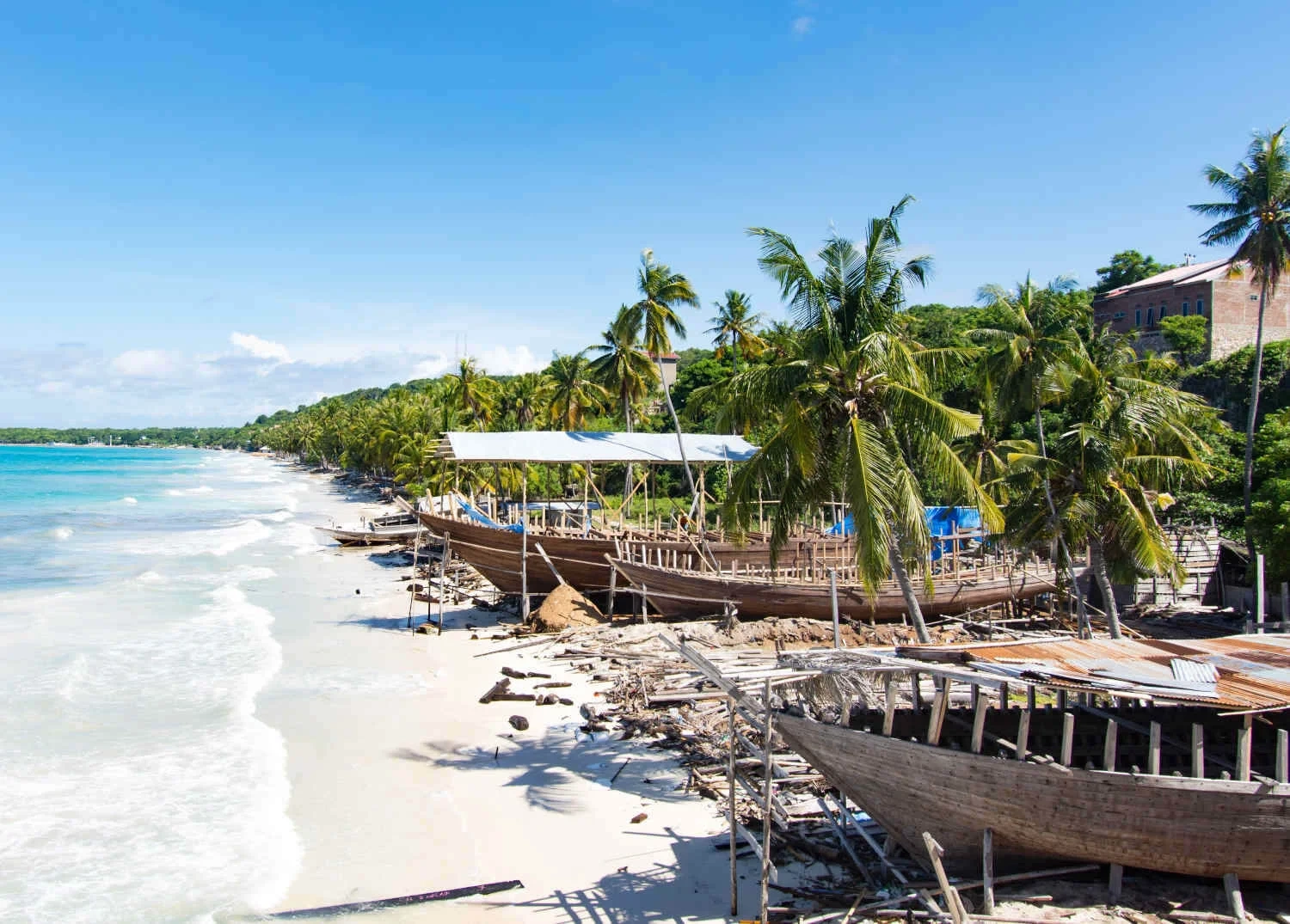
Bira beach and the Tana Beru boatyards. Tanjung Bira, at the southern tip of South Sulawesi, is about 200 km from Makassar. Its beach has white sand. At Tana Beru, near Bira, Bugis builders make pinisi schooners without drawings. UNESCO added this craft to its Intangible Cultural Heritage list in 2017.
Selayar and the Taka Bonerate atoll. The car ferry from Bira to Pamatata, on Selayar, takes 2.5 hours. Taka Bonerate, the third-largest atoll in the world, has 21 islands inside its ring. A chartered boat from Pattumbukan, on Selayar, takes 4 to 6 hours.
Likupang: Pal Beach, Lihaga and Bangka. Pal Beach, on the Pulisan Peninsula beyond Likupang, is a long curve of white sand with calm water. Boats from Likupang go to Lihaga, a white-sand island with no residents, and to Bangka Island, which has soft-coral seamounts for divers.
Food in Sulawesi
Coto Makassar for breakfast. Coto Makassar is a spiced soup of buffalo or beef offal, served with crushed peanuts, lime and ketupat rice cakes. Warungs across Makassar serve it from about 06:00. At night, the city eats konro bakar, grilled ribs.
Minahasan food and the Bersehati fish market. Minahasan cooking, from the north of Sulawesi, uses chilli, ginger, lime, basil and turmeric. Try rica-rica, a chilli sauce; woku, a yellow turmeric sauce; and tinutuan, a vegetable porridge for breakfast. At Pasar Bersehati, Manado's fish market, buy cakalang fufu, smoked skipjack tuna, before 09:00.
Cave art in Maros-Pangkep
Hand stencils at Leang-Leang. Leang-Leang Prehistoric Park, in Maros, is 27 km by road from Makassar's airport. Its two open caves hold hand stencils and paintings of pigs. In the same karst, a scene in Leang Karampuang is at least 51,200 years old, but that cave has no published visiting arrangements. Do not touch the paintings or the cave walls.
What are the top things to do in Sulawesi? The main things to do in Sulawesi are diving at Bunaken, Lembeh Strait, Wakatobi and the Togean Islands, and seeing tarsiers and crested black macaques at Tangkoko. In Tana Toraja, visitors see tongkonan houses, cliff graves and funerals. Near Makassar are the karst towers of Rammang-Rammang and the painted caves of Leang-Leang. The south-west is driest from July to October, and the north has its least rain from July to September.
Sources
The facts on this page come from the site's own guides:
- Sulawesi: Sulawesi at a glance and the best time to visit each region.
- Diving: Bunaken, Lembeh Strait, Wakatobi, Togean Islands and the North Sulawesi diving triangle.
- Wildlife: tarsiers at Tangkoko, crested black macaques, endemic birds and the maleo at Bakiriang.
- Culture: Tana Toraja, attending a Rambu Solo' funeral, photography in Toraja, the Bajau, the Bajau at Mola, Makassar and fish markets.
- Nature: Rammang-Rammang, Bantimurung, Lore Lindu, the Bada Valley megaliths, Lake Poso, North Sulawesi volcanoes and Sulawesi safety.
- Islands: Tanjung Bira, the Tana Beru boatyards, Selayar Island and the Pulisan Peninsula.
- Food and cave art: coto Makassar, Minahasan food and Sulawesi cave art.