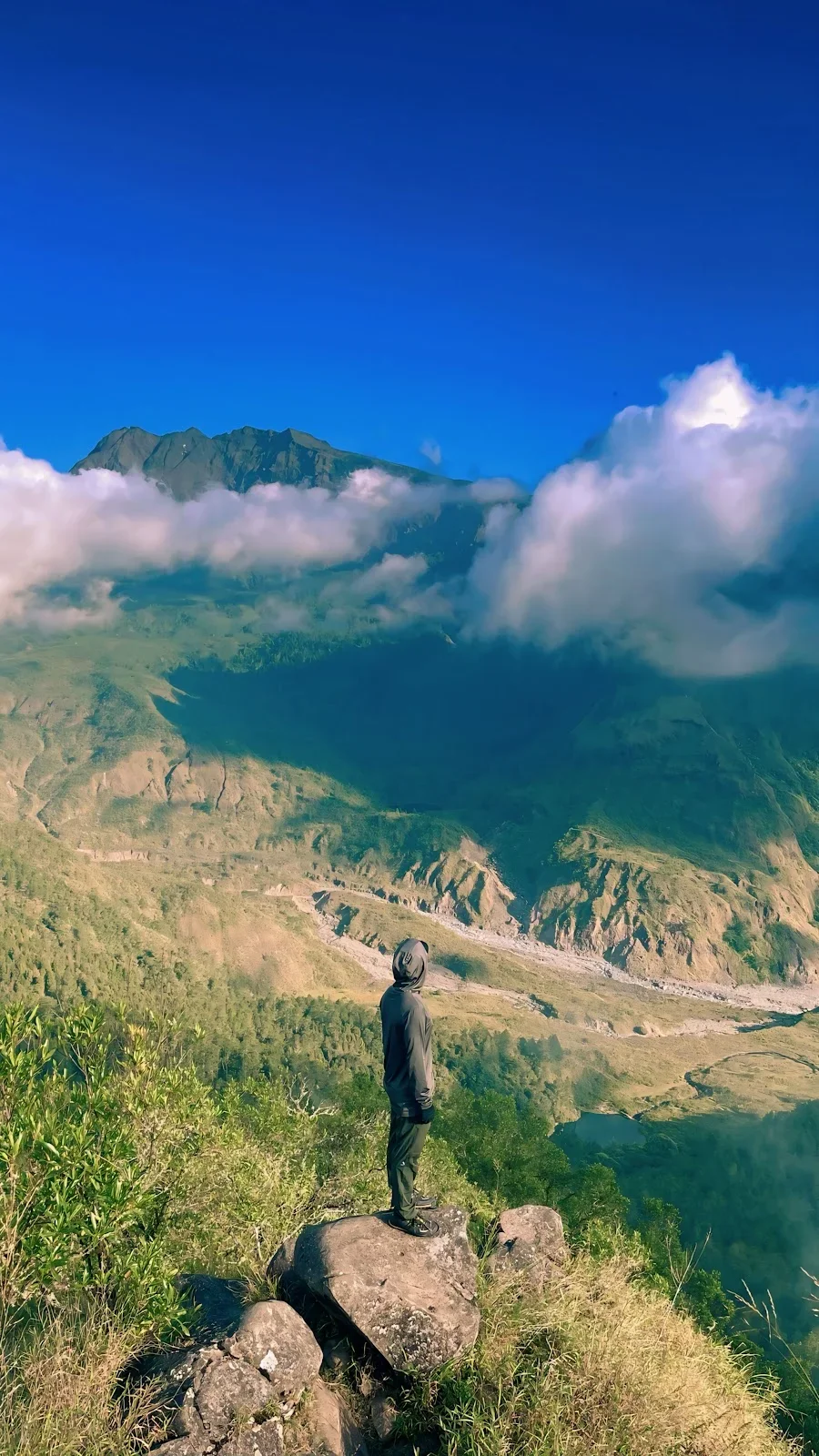
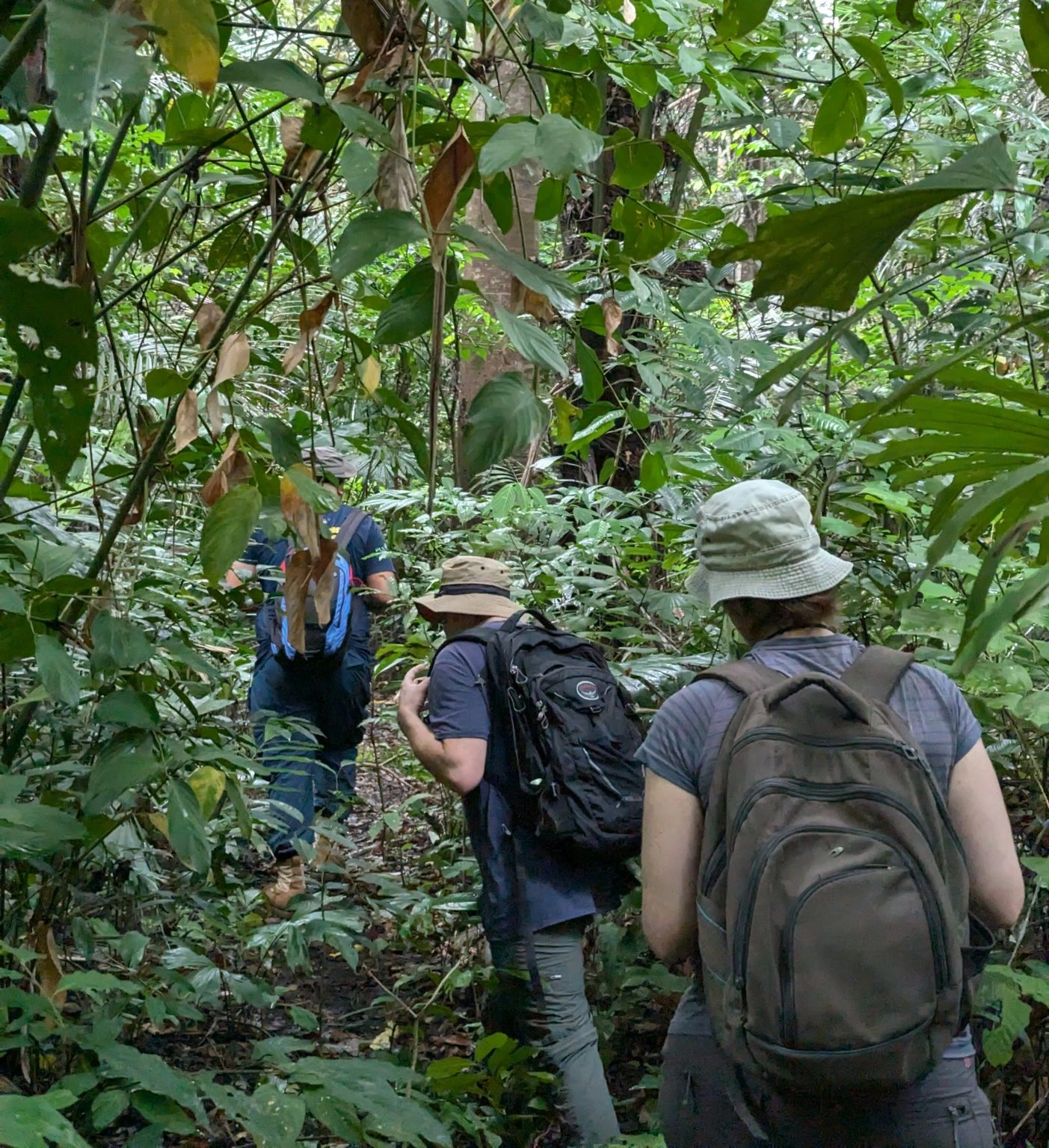
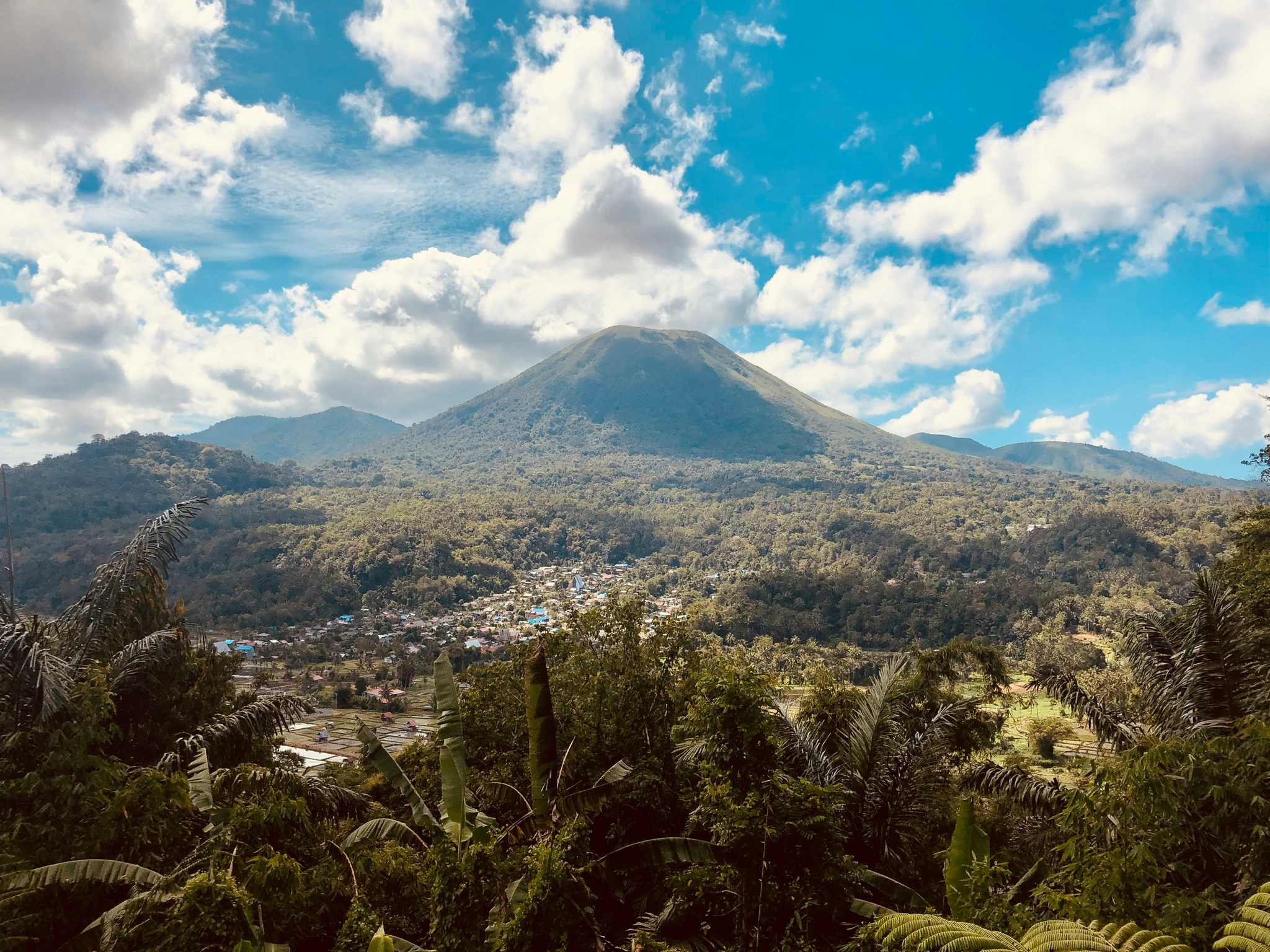
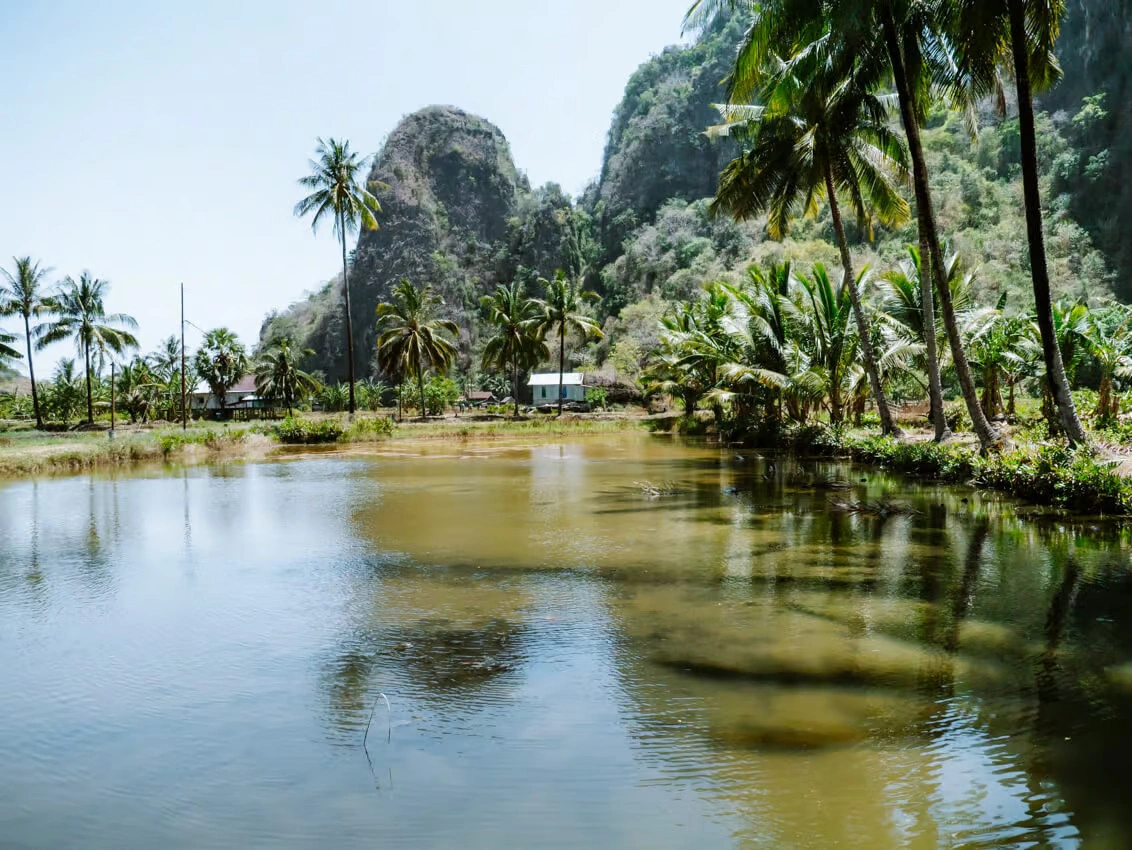

Is Sulawesi Safe? Earthquakes, Volcanoes, Sea, Roads and Official Advice
By Sulawesi.com editors8 min read
UK and US travel advice for Sulawesi (October 2026), with sourced facts on earthquakes, volcanoes, boats, roads, health, crime, Poso and emergency numbers.
Neither the UK nor the US government advises against travel to any part of Sulawesi (October 2026). The US asks for increased caution in Indonesia because of natural disasters, unrest and terrorism. The UK asks travellers to take particular care in three places in Central Sulawesi. Official advice changes. Read it again in the week before you travel.
Official travel advice for Sulawesi
United Kingdom. The Foreign, Commonwealth & Development Office (FCDO) last updated its Indonesia advice on 18 September 2026. It does not advise against travel to any part of Indonesia. For Central Sulawesi, it says: "The political situation in Central Sulawesi Province is unsettled. Take particular care in Palu, Poso and Tentena." It also warns: "Terrorists are likely to try to carry out attacks in Indonesia." Its list of recent attacks includes a suicide attack outside the Catholic cathedral in Makassar in 2021.
United States. The State Department rates Indonesia "Level 2: Exercise Increased Caution" for "natural disasters, unrest, and terrorism" (7 July 2026). Its only "Do not travel" areas are the provinces of Central Papua and Highland Papua. The advisory does not name Sulawesi. Its country page cites the Indonesian National Police: Indonesia has had no terrorist attack since 2022.
Australia. Australians should read Smartraveller's page for Indonesia.
Earthquakes and tsunamis in Sulawesi
On 28 September 2018, a magnitude 7.5 earthquake struck 72 km north of Palu, Central Sulawesi, at 18:02 local time (USGS). A tsunami hit the coast at Palu. In liquefaction, shaking makes wet ground flow like a liquid. Liquefaction submerged the Palu neighbourhoods of Balaroa and Petobo (USGS). The disaster killed 4,340 people, by the final count of the Central Sulawesi government. The USGS counts 15 earthquakes of magnitude 6.5 or more within 250 km of the epicentre in the century before 2018. Until 27 February 2019, the UK advised against all but essential travel to Palu and four nearby districts.
A tsunami can arrive within minutes of a strong earthquake near the shore (FCDO). If you are on the coast during an earthquake, move away from the beach (BMKG).
BMKG, Indonesia's weather and geophysics agency, runs the national tsunami warning system, InaTEWS. It publishes lists of earthquakes of magnitude 5.0 or more, earthquakes that people felt, and earthquakes that can cause a tsunami. The FCDO points travellers to BMKG's multi-hazard early warning app. The sulawesi.com weather page shows BMKG's latest earthquakes near Sulawesi.
Volcanoes in Sulawesi: alert levels and exclusion zones
Indonesia's volcanology centre, PVMBG, sets the alert level of each active volcano. It publishes the levels and daily reports on MAGMA Indonesia (magma.esdm.go.id), in Indonesian. There are four levels: Level I (Normal), Level II (Waspada), Level III (Siaga) and Level IV (Awas), the highest.
On 30 October 2026, MAGMA listed four Sulawesi volcanoes at Level II. They were Lokon near Tomohon, Soputan in Southeast Minahasa, Karangetang in the Sitaro Islands and Awu on Sangihe. Ruang, Mahawu, Ambang and Tangkoko in the north, and Colo in Central Sulawesi, were at Level I. Each report gives the area to keep out of. For Lokon on that day, it was 1.5 km around the Tompaluan crater. Zones can change at short notice (FCDO).
Ruang, an island volcano in the Sitaro Islands, began to erupt on 16 April 2024. The next day, PVMBG raised it to Level IV. The national disaster agency said at least 11,615 people in the risk area had to leave. Sam Ratulangi International Airport in Manado closed. After a new eruption on 30 April 2024, seven airports closed, including Manado and Gorontalo (Al Jazeera).
Since 18 September 2026, the FCDO no longer advises against travel to volcanoes, even during an eruption. It tells travellers to follow the exclusion zones and evacuation orders of the local authorities. Check MAGMA before you climb any volcano.
Sea safety: boats, ferries and diving
The FCDO warns that sea conditions can change rapidly. Safety standards vary between boat operators. BMKG warns small boats from waves of 1.25 m and ferries from 2.5 m.
The wave data on sulawesi.com (NOAA WAVEWATCH III) shows when the open sea is rough:
- Wakatobi and Kendari: June to August.
- Selayar and Taka Bonerate: January and February.
- Lembeh and Tangkoko: July to September, and February.
- Gulf of Tomini, including the Togean Islands: calm all year.
Bays and straits are calmer than the open sea. Before a crossing, check BMKG's marine forecast and ask the crew.
Before you board, check for life jackets and lifeboats (FCDO). The US State Department says that vessels often lack enough life jackets. It advises passengers to bring their own. Bring life jackets for children: boats do not always carry them (FCDO). Avoid boats after dark unless the vessel has the right equipment (FCDO).
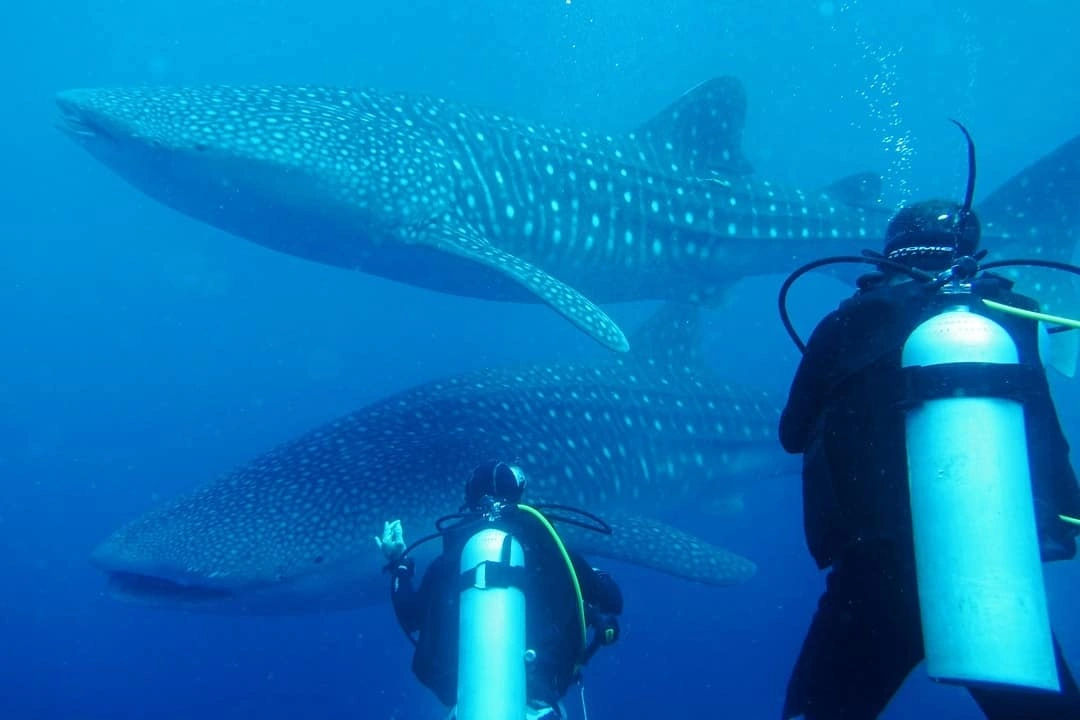
For diving, check the operator's credentials and your insurance. Make sure the boat carries oxygen. Ask how the operator would get an injured diver to a hyperbaric chamber (FCDO).
Road safety on the Trans-Sulawesi and other roads
Journeys on the Trans-Sulawesi Highway and other main roads are long and slow. WHO estimates 11.3 road traffic deaths per 100,000 people in Indonesia in 2021. The rate was 2.4 in the UK, 4.5 in Australia and 14.2 in the US. The US State Department calls traffic in Indonesia "hazardous, congested, and undisciplined".
- Consider a car with a driver (FCDO).
- On a motorbike or moped, wear a helmet in good condition (FCDO). Indonesian law requires a helmet (US State Department).
- UK drivers need an International Driving Permit issued in the UK (FCDO).
- After an accident, wait at the scene for the police (FCDO).
Health: malaria, dengue, rabies and water
Check the vaccine advice at least 8 weeks before the trip (FCDO).
Malaria. The US Centers for Disease Control and Prevention (CDC) lists the rural areas of Sulawesi as areas with malaria. For these areas, it recommends prescription medicine to prevent malaria. The UK's TravelHealthPro maps Sulawesi as a low-risk area. There, it advises awareness of the risk and bite avoidance. The two agencies differ. Ask a travel health clinic which advice fits your route. Malaria mosquitoes bite mainly between dusk and dawn (TravelHealthPro).
Dengue. There is a risk of dengue in Indonesia (TravelHealthPro). The mosquitoes that spread it bite mainly in the daytime. They are more common in towns and cities.
Rabies. Dogs with rabies are common in Indonesia (CDC). Avoid contact with animals. After any bite or scratch, clean the wound and get medical care at once, even for a small wound (TravelHealthPro). TravelHealthPro recommends vaccines before travel for stays of more than a month and for places far from medical care.
Water. Tap water is not safe to drink in Indonesia (FCDO). Ice for drinks can come from tap water (US State Department).
Medical care. Medical treatment is typically available only in major cities (US State Department). Medical evacuation can cost tens of thousands of pounds (FCDO). Buy travel insurance that covers treatment and medical evacuation.
Crime, scams and local laws
The FCDO warns of bag-snatching and pickpocketing, particularly in busy tourist areas.
- Credit card fraud is common (FCDO, US State Department). Keep your card in sight when you pay.
- Use ATMs in secure places, such as bank branches (US State Department).
- Change money only at licensed money changers. They show a Bank Indonesia logo and a QR code (FCDO).
- Methanol in alcoholic drinks has killed people in Indonesia (FCDO). Some of these drinks came from licensed bars, shops and hotels. Taste and smell do not reveal methanol.
- Drug offences carry long prison sentences or the death penalty (FCDO).
- Taking part in a protest is illegal for foreigners (US State Department).
- Carry your passport or stay permit at all times (FCDO).
Poso and Central Sulawesi: the conflict and today's advice
From December 1998 to 2001, violence between Muslim and Christian communities in Poso killed more than 1,000 people (BenarNews). Other estimates reach 2,500 (Inside Indonesia, 2002). Muslim and Christian delegates agreed a peace deal at Malino, South Sulawesi, on 20 December 2001.
An armed group with roots in the conflict, the East Indonesia Mujahideen (MIT), formed in 2010 (BenarNews). Security forces killed its leader, Santoso, in July 2016 (BBC News). In November 2020, MIT members killed four residents of Sigi. In September 2022, police declared MIT finished after its last wanted member died in a gunfight (BenarNews). Analysts told BenarNews that networks of sympathisers remain.
Today, the FCDO places the conflict between security forces and terrorists "predominantly in the Sigi, Parigi Moutong and Poso regions". It notes "attacks on police and civilians in 2021". Read the latest FCDO advice before you go to these areas.
Emergency numbers in Indonesia
| Service | Number |
|---|---|
| Police | 110 |
| Ambulance | 118 or 119 |
| Fire | 113 |
| Search and rescue (Basarnas) | 115 |
| Emergency line | 112 |
The UK and US governments list 110, 118 and 112. 119 is PSC 119, the emergency service of the Ministry of Health. The US lists 113 for fire. Basarnas lists 115. An ambulance can take 45 minutes or longer (US State Department).
Is Sulawesi safe to visit? Neither the UK nor the US government advises against travel to any part of Sulawesi (October 2026). The US rates Indonesia "Level 2: Exercise Increased Caution" because of natural disasters, unrest and terrorism. The UK asks travellers to take particular care in Palu, Poso and Tentena, in Central Sulawesi. Sulawesi's natural hazards include earthquakes, tsunamis, volcanoes and rough seas. Check the official advice before you go, and check BMKG and MAGMA Indonesia during the trip.
Sources
- FCDO (UK), Indonesia travel advice: updated 18 September 2026, still current at 31 October 2026.
- US Department of State, Indonesia travel advisory and country information: advisory of 7 July 2026, country information of 9 July 2026.
- USGS, M 7.5, 72 km N of Palu, Indonesia: 28 September 2018.
- The Jakarta Post, Central Sulawesi disasters killed 4,340 people, final count reveals: 30 January 2019.
- BMKG, earthquake data, earthquake advice, InaTEWS and wave warnings: read 31 October 2026.
- PVMBG, MAGMA Indonesia activity levels: reports of 30 October 2026.
- Al Jazeera on Ruang: 18 April 2024 and 1 May 2024.
- WHO, Global Health Observatory: Indonesia: road traffic deaths, 2021 estimates.
- CDC, Travelers' Health: Indonesia: last reviewed 25 August 2026.
- NaTHNaC, TravelHealthPro: Indonesia: read 31 October 2026.
- Ministry of Health, PSC 119, and Basarnas: read 31 October 2026.
- Inside Indonesia, Waiting for peace in Poso: April to June 2002.
- BBC News, report on the death of Santoso: 19 July 2016.
- BenarNews, police declare MIT finished: 30 September 2022.
- Waves: NOAA WAVEWATCH III (PacIOOS, University of Hawaii), on the weather page.